Modern homeowners are no longer looking at renovations as isolated projects. Instead, the most successful upgrades take a comprehensive view- considering how each improvement impacts comfort, efficiency, aesthetics, and long-term value. A coordinated approach allows you to avoid redundant costs, align design choices across rooms, and create a home that feels intentional rather than pieced together. When upgrades are planned in isolation, homeowners often encounter mismatched finishes, unnecessary demolition, and budget overruns that could have been avoided with better foresight.
Taking a holistic approach also helps prioritize improvements based on how the home is actually used. Traffic patterns, natural light, storage needs, and energy performance all influence which upgrades will deliver the greatest return on investment. By understanding how one change affects another, homeowners can sequence projects more efficiently and make choices that support both immediate comfort and future adaptability. This perspective is especially important as homes increasingly serve multiple purposes, from remote work to entertaining and multigenerational living.
This guide walks through the most impactful areas of the home, offering practical, actionable advice to help you plan upgrades strategically. Rather than focusing on trends alone, it emphasizes durability, performance, and cohesion. Whether you are improving a primary residence or preparing a property for resale, these insights will help you make informed decisions that stand the test of time, enhance everyday living, and protect the long-term value of your investment.
Protecting the Home’s Exterior and Structural Systems
Protecting the home’s exterior and structural systems is a critical first step because every interior upgrade ultimately depends on what is happening outside the walls. Moisture intrusion, heat loss, and structural stress can quietly undermine even the most expensive renovations if these core systems are neglected. By prioritizing exterior performance early, homeowners reduce risk, protect their investment, and create a stable platform for all future improvements.
A comprehensive roof evaluation should be treated as a diagnostic process rather than a quick visual check. Partnering with a commercial roofing company allows homeowners to benefit from professional-grade inspections that often include infrared moisture scans, core sampling, and airflow assessments. These methods help uncover hidden problems such as trapped moisture, compromised underlayment, or inadequate ventilation that may not yet be visible inside the home. Addressing these issues proactively prevents leaks, mold growth, and insulation damage that can derail interior timelines and inflate costs. In addition, higher-performance roofing materials and installation standards can improve energy efficiency and extend the roof’s service life, reducing long-term maintenance demands.
Beyond the roof itself, exterior shading systems are increasingly recognized as functional assets rather than decorative add-ons. Properly designed and maintained awnings reduce solar heat gain, lower cooling loads, and protect exterior finishes from premature fading and deterioration. Specialists with experience in awning RV repair often bring advanced knowledge of tensioning systems, motorized controls, and weather-resistant fabrics that translate well to residential environments. Their familiarity with movable, retractable, and high-wear systems makes them particularly effective at diagnosing mechanical failures and recommending durable repair solutions. Consistent inspections, fabric cleaning, and hardware adjustments can dramatically extend awning lifespan while ensuring smooth operation and a polished appearance.
Transforming Interior Spaces with Strategic Color and Comfort
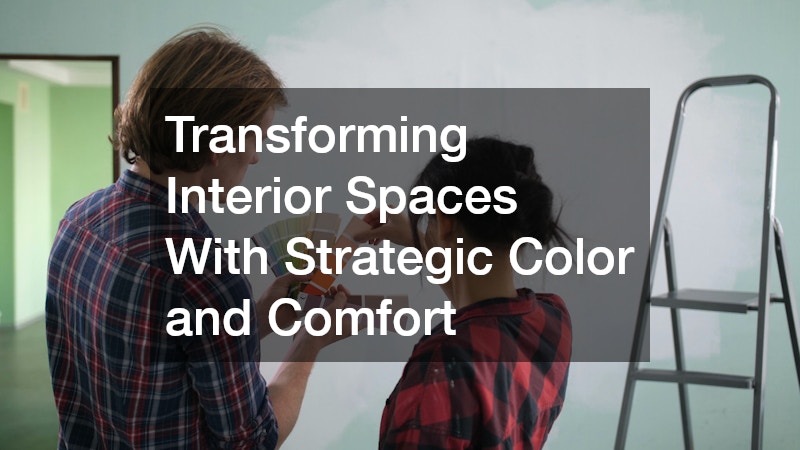 Interior upgrades have the most immediate visual impact, and two elements- color and heating features- play a major role in how a home feels day to day. Thoughtful decisions in these areas influence not only aesthetics but also comfort, usability, and long-term satisfaction. Because these elements are experienced constantly, even small missteps can feel amplified over time.
Selecting the right interior paint goes beyond choosing a trendy color. Consider how natural light moves through each room, the function of the space, and the finish durability required. Matte finishes hide imperfections but may be harder to clean, while satin and eggshell finishes strike a balance between elegance and maintenance. Consistent undertones across rooms help open floor plans feel cohesive rather than fragmented. Paint can also be used strategically to highlight architectural features, visually expand smaller rooms, or create subtle transitions between connected spaces. Proper surface preparation and primer selection are equally important to ensure color accuracy and long-lasting results.
Heating features also contribute significantly to comfort and efficiency. Older fireplaces often waste energy and fail to meet modern safety standards. Upgrading with fireplace inserts can dramatically improve heat output while reducing drafts and emissions. Inserts are available in gas, electric, and high-efficiency wood-burning models, making it easier to align with your lifestyle and local regulations. Many modern options also offer programmable controls and improved airflow management, allowing homeowners to maintain consistent comfort while reducing energy waste.
Actionable tip: Test paint samples on multiple walls and observe them throughout the day. When upgrading fireplaces, confirm compatibility with existing chimneys and ventilation systems before purchase.
Upgrading Kitchens with Durable, High-Impact Surfaces
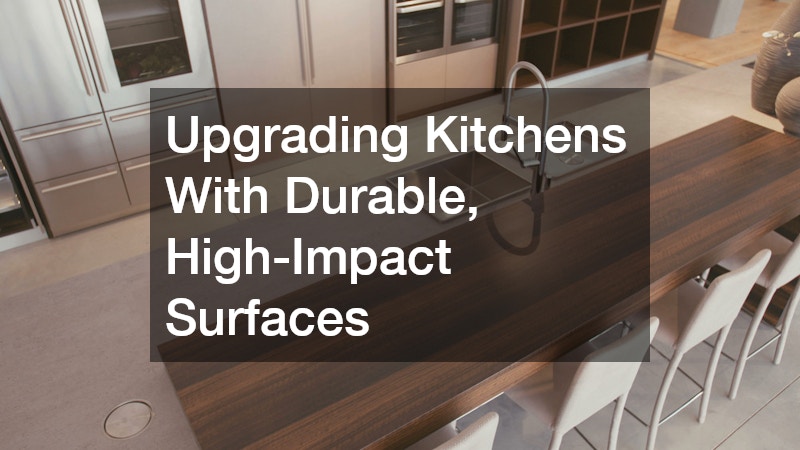
Upgrading kitchens with durable, high-impact surfaces requires balancing daily functionality with long-term visual appeal. Because the kitchen serves as both a workspace and a gathering area, surface selections must withstand heavy use while maintaining a refined appearance. Heat from cookware, moisture from cleaning, and constant contact all place stress on materials, making durability and installation quality as important as aesthetics.
Granite countertops remain a strong option for homeowners who appreciate organic variation and natural stone performance. No two slabs are alike, allowing kitchens to feel custom rather than mass-produced. Beyond appearance, granite’s resistance to heat makes it especially practical near cooktops and ovens. However, sealing is a critical part of ownership; unsealed or poorly maintained surfaces can absorb oils and liquids over time. Homeowners should understand sealing schedules, approved cleaning products, and how color variations may influence stain visibility before committing to a specific slab.
For a more consistent look with fewer maintenance requirements, engineered surfaces installed by quartz countertop contractors offer a compelling alternative. Quartz surfaces are nonporous, making them highly resistant to staining and bacterial growth. That performance advantage depends heavily on professional fabrication and installation. Precise templating ensures tight seams, proper overhangs, and accurate cutouts for sinks and appliances. Experienced contractors also help homeowners select appropriate edge profiles, surface thicknesses, and support requirements, ensuring the finished installation aligns with both design goals and structural needs.
Actionable tip: View full slabs, not just samples, before making a final countertop selection. Coordinate countertop decisions with backsplash, lighting, and cabinet hardware for a unified result.
Modernizing Bathrooms for Functionality and Visual Clarity
Bathrooms are evolving into spa-like retreats that emphasize cleanliness, openness, and durability. Two upgrades can dramatically transform these spaces when executed thoughtfully. Modern homeowners are prioritizing designs that feel calm and uncluttered while still performing well under daily use, which makes material selection and installation quality especially important in these high-moisture environments.
Replacing outdated enclosures with custom glass solutions enhances light flow and visual openness, creating a more inviting and spacious environment. Reputable shower glass companies offer options such as frameless or semi-frameless enclosures, custom sizing, and specialized coatings that resist water spots and mineral buildup. These coatings reduce cleaning time and help preserve clarity over the years of use. Professional installers ensure precise alignment, proper sealing, and adequate support, all of which are critical for preventing leaks and maintaining structural stability. Homeowners should also consider door swing, handle placement, and ventilation when selecting glass configurations to maximize usability and functionality.
Flooring is another critical consideration in wet environments. Epoxy floors are increasingly used in bathrooms due to their seamless surface, moisture resistance, and durability. Unlike traditional tile, epoxy eliminates grout lines where mold and mildew can develop, improving hygiene and simplifying maintenance. Modern formulations allow for decorative finishes, subtle texture variations, and enhanced slip resistance without sacrificing comfort. Proper surface preparation and curing time are essential to ensure long-lasting performance and a flawless appearance.
Actionable tip: Coordinate bathroom upgrades in phases— address plumbing and waterproofing first, then install glass and flooring to avoid costly rework.
Finishing Touches That Tie Living Spaces Together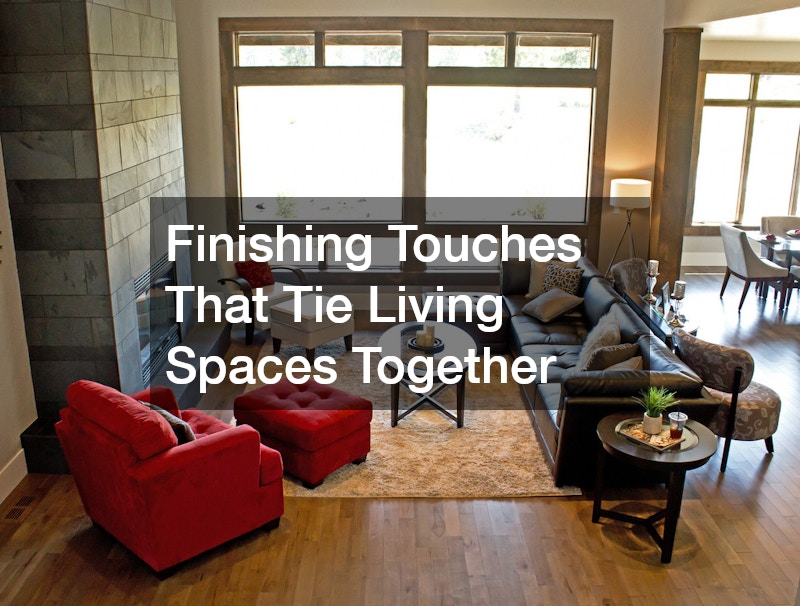
While major upgrades draw attention, finishing elements often determine whether a home feels truly complete. Soft surfaces and thoughtful layouts play a significant role in tying rooms together, creating a sense of cohesion and intentionality that enhances both comfort and style. Even subtle design decisions can have a large impact on how spaces feel and function daily.
Area rugs help define spaces, especially in open-concept homes. Visiting specialized rug stores allows homeowners to explore materials, pile heights, and sizes suited to specific traffic patterns. Wool rugs offer durability and insulation, while synthetic blends may be better for homes with pets or children. Proper sizing is crucial; rugs that are too small can make rooms feel disjointed, while oversized rugs can overwhelm a space. Layering rugs or combining textures can further enhance visual interest and create defined zones without structural changes.
Beyond individual rooms, cohesive kitchen design principles can inform the layout of adjacent living and dining areas. Clear traffic flow, consistent sightlines, and aligned lighting temperatures help create a sense of continuity and cohesion. Storage solutions, countertop heights, and seating arrangements should work together rather than compete for attention, ensuring both functionality and visual harmony.
Actionable tip: Use painter’s tape or floor planners to map rug sizes and furniture placement before purchasing. Apply kitchen layout principles- such as efficient work zones and clear pathways- to nearby spaces. Consider complementary textures and colors between rugs and adjacent surfaces to enhance the overall flow and balance of the home.
Coordinating Projects for Budget Control and Efficiency
Upgrading kitchens with durable, high-impact surfaces requires balancing daily functionality with long-term visual appeal. Because the kitchen serves as both a workspace and a gathering area, surface selections must withstand heavy use while maintaining a refined appearance. Heat from cookware, moisture from cleaning, and constant contact all place stress on materials, making durability and installation quality as important as aesthetics.
Granite countertops remain a strong option for homeowners who appreciate organic variation and natural stone performance. No two slabs are alike, allowing kitchens to feel custom rather than mass-produced. Beyond appearance, granite’s resistance to heat makes it especially practical near cooktops and ovens. However, sealing is a critical part of ownership; unsealed or poorly maintained surfaces can absorb oils and liquids over time. Homeowners should understand sealing schedules, approved cleaning products, and how color variations may influence stain visibility before committing to a specific slab. It is also important to evaluate edge profiles and thickness, as these details affect both durability and the perceived quality of the finished kitchen.
For a more consistent look with fewer maintenance requirements, engineered surfaces installed by quartz countertop contractors offer a compelling alternative. Quartz surfaces are nonporous, making them highly resistant to staining and bacterial growth. That performance advantage depends heavily on professional fabrication and installation. Precise templating ensures tight seams, proper overhangs, and accurate cutouts for sinks and appliances, resulting in a seamless installation. Experienced contractors can also assess cabinet integrity, recommend reinforcement where needed, and ensure proper support over dishwashers and large spans. These technical considerations are often overlooked but play a major role in long-term performance and appearance.
Actionable tip: View full slabs, not just samples, before making a final countertop selection. Coordinate countertop decisions with backsplash, lighting, and cabinet hardware for a unified result.
Creating a Home That Performs as Well as It Looks
Comprehensive home upgrades require more than inspiration- they demand careful planning, informed decisions, and coordination across multiple systems and spaces. When approached strategically, these improvements enhance daily comfort, reduce maintenance headaches, and protect long-term value. Homeowners who take the time to evaluate how each upgrade interacts with the rest of the home are better positioned to avoid costly mistakes and unnecessary rework. This includes considering structural integrity, energy efficiency, and how design choices in one area may influence adjacent spaces, ensuring a cohesive and functional environment throughout.
By viewing your home as an interconnected environment rather than a series of isolated rooms, you can make upgrades that feel seamless and intentional. This mindset encourages consistency in materials, finishes, and performance standards throughout the home. It also helps prioritize improvements that deliver the greatest impact, from high-traffic areas to overlooked utility spaces. The result is a modern living space that not only looks impressive but also supports how you live today, responds efficiently to changing needs, and remains adaptable as technology, lifestyle, and household priorities evolve over time, creating a home that is both practical and timeless.