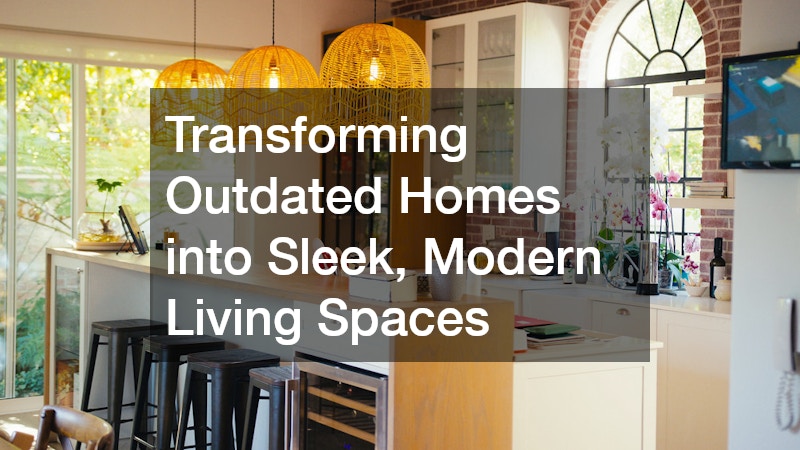
There’s something undeniably charming about an older home—solid construction, unique architectural details, and a sense of history you just can’t replicate. But charm alone doesn’t always translate to comfort or efficiency. Outdated layouts, worn materials, and aging systems can make daily living feel more like a compromise than a pleasure.
Transforming an older property into a sleek, modern living space isn’t about stripping away its character. It’s about refining it—making thoughtful upgrades that improve how the home looks, feels, and functions. This process requires a balance of planning, creativity, and practical decision-making.
Many homeowners begin with excitement, only to realize halfway through that they didn’t fully anticipate the scope of work. That’s why taking a measured, informed approach from the beginning can make all the difference. When you understand both the visible and hidden aspects of your home, every decision becomes more intentional—and the end result far more rewarding.
What follows is a comprehensive guide to help you navigate that transformation step by step.
Assessing Your Home’s Current Layout and Structural Needs

Before you start picking paint colors or browsing furniture, you need a clear understanding of what you’re working with. Many older homes have hidden issues that can derail even the most well-planned renovation.
Start by walking through your home with a critical eye. Notice where movement feels restricted or awkward. Closed-off rooms, narrow hallways, and poor lighting are common signs that the layout needs rethinking. Imagine how you actually live day to day—where you gather, how you move, and what feels inconvenient.
Beyond aesthetics, safety and functionality come first. Older materials and systems may no longer meet modern standards. Hiring an asbestos testing company can help identify hazardous materials that need proper handling before demolition begins. It’s a step many homeowners overlook—but one that can prevent serious health risks.
At the same time, pay attention to your plumbing system. Outdated pipes can lead to leaks, low water pressure, or costly repairs down the line. Addressing these foundational issues early ensures that your renovation doesn’t just look good—it performs reliably for years. Even small upgrades, like replacing aging valves or improving water flow, can have a noticeable impact on daily comfort.
Planning a Modern Renovation with a Clear Vision
Once you understand your home’s condition, it’s time to define what “modern” means for your space. For some, that’s clean lines and minimalism. For others, it’s open layouts and multi-functional areas.
Rather than jumping into random upgrades, take time to map out your goals. Ask yourself:
- Do you need more living space or better use of existing space?
- Are you prioritizing aesthetics, functionality, or both?
- How long do you plan to stay in the home?
It can help to gather inspiration from magazines, online platforms, or even homes you’ve visited. Over time, patterns will emerge in what you’re drawn to, helping you define a cohesive vision rather than a mix of trends.
In some cases, expanding your home may be the best solution. Working with an adu construction service can open up possibilities like guest suites, home offices, or rental units without disrupting your main living area.
Structural improvements also require durable materials. For example, when adding new foundations or outdoor features, ready mix concrete provides consistency and strength that supports long-term durability. These choices may not be visible day-to-day, but they play a major role in the success of your renovation.
One helpful approach at this stage is to create a phased renovation plan. Instead of trying to tackle everything at once, break your project into logical stages—such as structural updates, layout changes, and aesthetic finishes. This allows you to manage your budget more effectively while keeping progress steady. It also gives you flexibility to adjust decisions as the project unfolds. Many homeowners find that once the first phase is complete, they gain better clarity and confidence for the next steps, resulting in a more cohesive and well-executed final outcome.
Decluttering and Prepping Your Space for a Fresh Start
There’s a moment in every renovation where the old has to go. And for many homeowners, this is the most overwhelming part.
Years—sometimes decades—of accumulated items can make it difficult to even begin. But clearing out your space is essential if you want a true transformation. It’s not just about removing clutter; it’s about mentally preparing for change.
Instead of tackling everything at once, break the process into manageable zones:
- Start with areas that are rarely used
- Move on to storage spaces like closets and garages
- Finish with high-traffic rooms
Large-scale cleanouts often require more than just trash bags. Many homeowners find that if you rent a dumpster it simplifies the process, allowing them to dispose of bulky items, old cabinetry, and renovation debris in one place.
As the clutter disappears, something interesting happens—you start to see the potential of your home more clearly. Walls feel taller, rooms feel larger, and possibilities begin to emerge. This phase can be surprisingly motivating, giving you a clearer picture of what’s possible.
Upgrading Flooring for a Clean, Contemporary Look
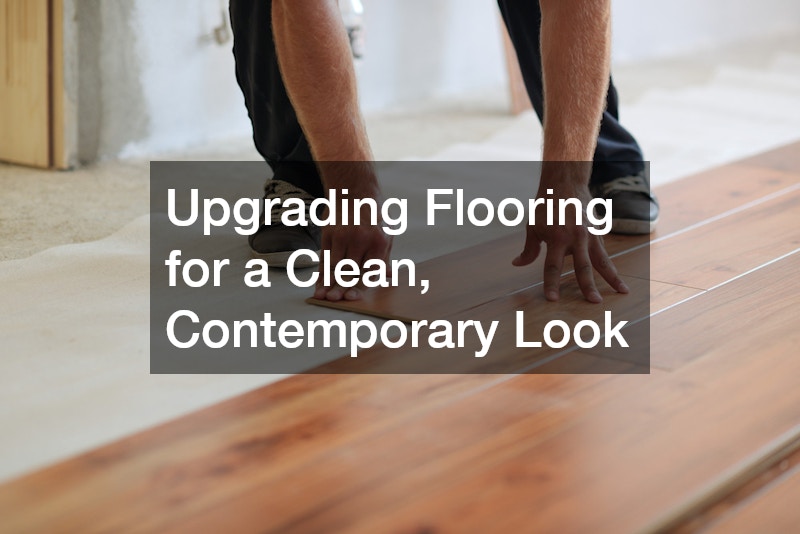
Flooring has a bigger impact on your home’s overall feel than most people realize. Old carpet, worn hardwood, or mismatched tiles can instantly date a space.
Modern interiors tend to favor continuity and simplicity. One of the easiest ways to achieve this is by choosing a single flooring type for most of your home. Vinyl flooring has become a popular choice because it combines durability with a clean, modern appearance. It’s also resistant to moisture, making it suitable for kitchens, bathrooms, and living areas alike.
When selecting flooring, consider:
- Color: Lighter tones can make spaces feel larger and brighter
- Texture: Subtle patterns add depth without overwhelming the room
- Maintenance: Low-maintenance options save time in the long run
Installation matters just as much as selection. Even the best materials can look subpar if they’re not installed correctly. Taking the time to prepare subfloors and ensure proper alignment will make a noticeable difference. If you’ve ever walked across uneven flooring, you know how quickly it can detract from an otherwise beautiful space.
Refreshing Walls, Textures, and Exterior Elements
Walls often carry the most visible signs of age. Popcorn ceilings, heavy textures, and outdated color schemes can make a home feel stuck in another decade.
Modern design leans toward smooth finishes and neutral palettes. Think soft whites, warm grays, and muted earth tones. These colors create a versatile backdrop that allows furniture and décor to stand out. They also reflect light more effectively, helping rooms feel brighter and more open.
But transformation doesn’t stop at the interior. The exterior of your home plays a major role in how it’s perceived. Simple updates like fresh paint, updated trim, and improved landscaping can dramatically enhance curb appeal.
Adding mulch to garden beds is a small but effective way to create a polished look. It defines outdoor spaces, retains moisture, and gives your yard a well-maintained appearance without requiring a full redesign. Even small changes outside can shift how you feel when you pull into your driveway.
Updating Kitchens with Sleek, Functional Design
The kitchen is often considered the heart of the home—and in older properties, it’s usually one of the most outdated spaces.
Modern kitchens focus on functionality as much as style. That means improving workflow, maximizing storage, and integrating appliances seamlessly. Think about how you move through the space while cooking—small inefficiencies add up quickly.
Start by evaluating your current setup. Is there enough counter space? Do cabinets meet your storage needs? Is the layout efficient for cooking and cleaning?
Sometimes, the solution isn’t replacing everything but refining what you already have. For instance, if your appliances are still in good condition, scheduling a refrigerator repair can extend their lifespan while maintaining performance.
At the same time, don’t overlook the importance of plumbing updates. Upgrading fixtures, improving water pressure, and ensuring proper drainage can make everyday tasks significantly more enjoyable. Even something as simple as a deeper sink or better faucet can improve usability.
Modernizing Bathrooms for Comfort and Efficiency
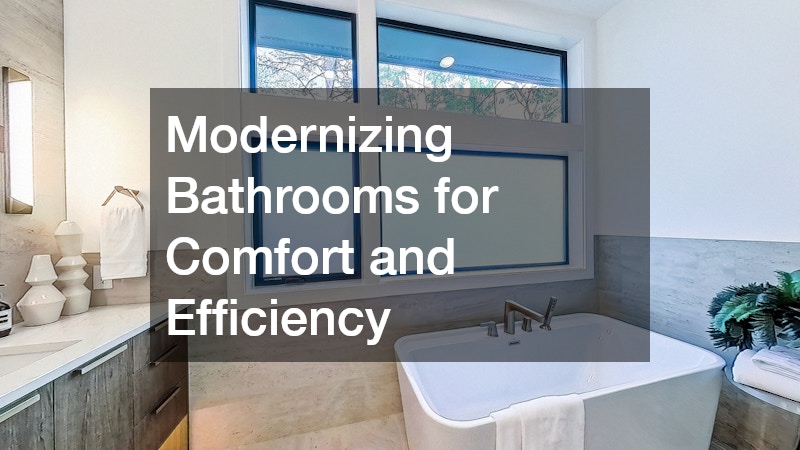
Bathrooms may be smaller spaces, but they offer huge opportunities for improvement.
Outdated bathrooms often suffer from poor lighting, limited storage, and inefficient fixtures. Modernizing these areas can create a more relaxing and functional environment. Think of it less as a utility space and more as a place to recharge.
Consider upgrades like:
- Walk-in showers with frameless glass
- Floating vanities for a more open feel
- Water-efficient fixtures that reduce utility costs
Behind the scenes, plumbing plays a critical role. Even the most beautiful bathroom won’t function properly if the underlying systems are outdated. Addressing these issues early prevents future headaches and ensures your upgrades perform as intended.
Small details matter here too—soft lighting, clean lines, and thoughtful storage can completely change how the space feels.
Improving Energy Efficiency and Structural Integrity
A sleek, modern home isn’t just about appearances—it’s also about performance.
Energy efficiency is one of the most valuable upgrades you can make. It reduces utility bills, improves comfort, and increases your home’s overall value. Over time, these improvements often pay for themselves.
Start at the top. Your roof plays a major role in insulation and temperature regulation. If your roof is aging or damaged, investing in a roof replacement service can significantly improve energy efficiency while protecting your home from the elements.
Other upgrades to consider include:
- Improved insulation in walls and attics
- Energy-efficient windows and doors
- Smart thermostats for better climate control
These changes may not always be visible, but they create a more comfortable and sustainable living environment. You’ll notice the difference not just in your energy bills, but in how your home feels year-round.
Keeping Your Home Clean, Safe, and Pest-Free During Renovation
Renovations can disrupt your home in unexpected ways. Dust, debris, and open spaces can create ideal conditions for unwanted pests.
Maintaining a clean work environment is essential. Regularly removing debris, sealing openings, and storing materials properly can prevent problems before they start. Even simple habits—like sweeping daily or covering exposed areas—can make a big difference.
In some cases, working with a pest control company provides an added layer of protection. They can identify potential risks and implement preventative measures, ensuring your renovation doesn’t attract unwanted guests.
It’s one of those details that’s easy to overlook—but addressing it early can save time, money, and frustration. A clean renovation is not just safer—it’s also more efficient.
Designing Multi-Functional, Space-Saving Interiors
Modern living often requires flexibility. Homes are no longer just places to sleep and relax—they’re also offices, gyms, and entertainment spaces.
Designing with versatility in mind allows you to make the most of every square foot. Built-in storage, foldable furniture, and multi-purpose rooms can dramatically improve functionality.
For homeowners looking to expand their options, an ADU construction service can provide additional living space without requiring a full home expansion. These units can serve as guest houses, rental properties, or private workspaces.
Inside your home, focus on creating areas that adapt to your needs. A dining room can double as a workspace. A guest room can include built-in storage or a fold-out bed. The more flexible your design, the more future-proof your home becomes.
Final Touches That Elevate a Modern Home
Once the major renovations are complete, it’s time to focus on the details that bring everything together.
Lighting is one of the most impactful finishing touches. Layered lighting—combining ambient, task, and accent lighting—creates depth and highlights key features of your home.
Materials also play a role. Pairing sleek finishes with subtle textures adds warmth and interest. For example, combining smooth surfaces with elements like wood or stone creates balance.
Even foundational elements can contribute to the final look. Thoughtfully integrating materials like ready mix concrete in outdoor spaces or pairing them with vinyl flooring indoors can create a seamless transition between areas.
These finishing touches are where your vision truly comes to life. They turn a renovated house into a cohesive, modern home.
Closing Thoughts on Creating a Modern Living Space
Transforming an outdated home into a sleek, modern space is a journey that goes far beyond surface-level changes. It’s about reimagining how your home works for you—improving flow, enhancing comfort, and creating an environment that supports your lifestyle.
While the process can feel overwhelming at times, each step brings you closer to a home that feels both beautiful and functional. With thoughtful planning and the right approach, even the most dated spaces can be turned into something remarkable.